NDM Construction Inc NDM ConstructionGeneral Contractor · San Jose Call Now · (408) 608-9319
Concrete Driveway Contractor in San Jose

Family-owned · San Jose Local

Concrete Driveway Contractor in San Jose

Licensed general contractor for residential and commercial concrete flatwork throughout Silicon Valley.

4.9 · 10 reviews

Request an estimate

Tell us what you need

No obligation · Responds within 1 business day

By submitting this form you agree that we may contact you about your request and share your name and email address with partner companies for email marketing. We never share your mobile number or text message consent with third parties or affiliates for marketing or promotional purposes.

Overview

San Jose Concrete Driveway Work Done Right

Talk it through(408) 608-9319

NDM Construction Inc is a licensed California general contractor handling concrete driveway work across San Jose and the surrounding Silicon Valley area. If you need a new driveway poured, an existing slab replaced, or flatwork extended to match a garage addition, call (408) 608-9319 and we'll scope the job from the ground up. We do the site prep, the forming, the reinforcement, and the finish ourselves. No subcontracted pour crews, no handoff mid-project.

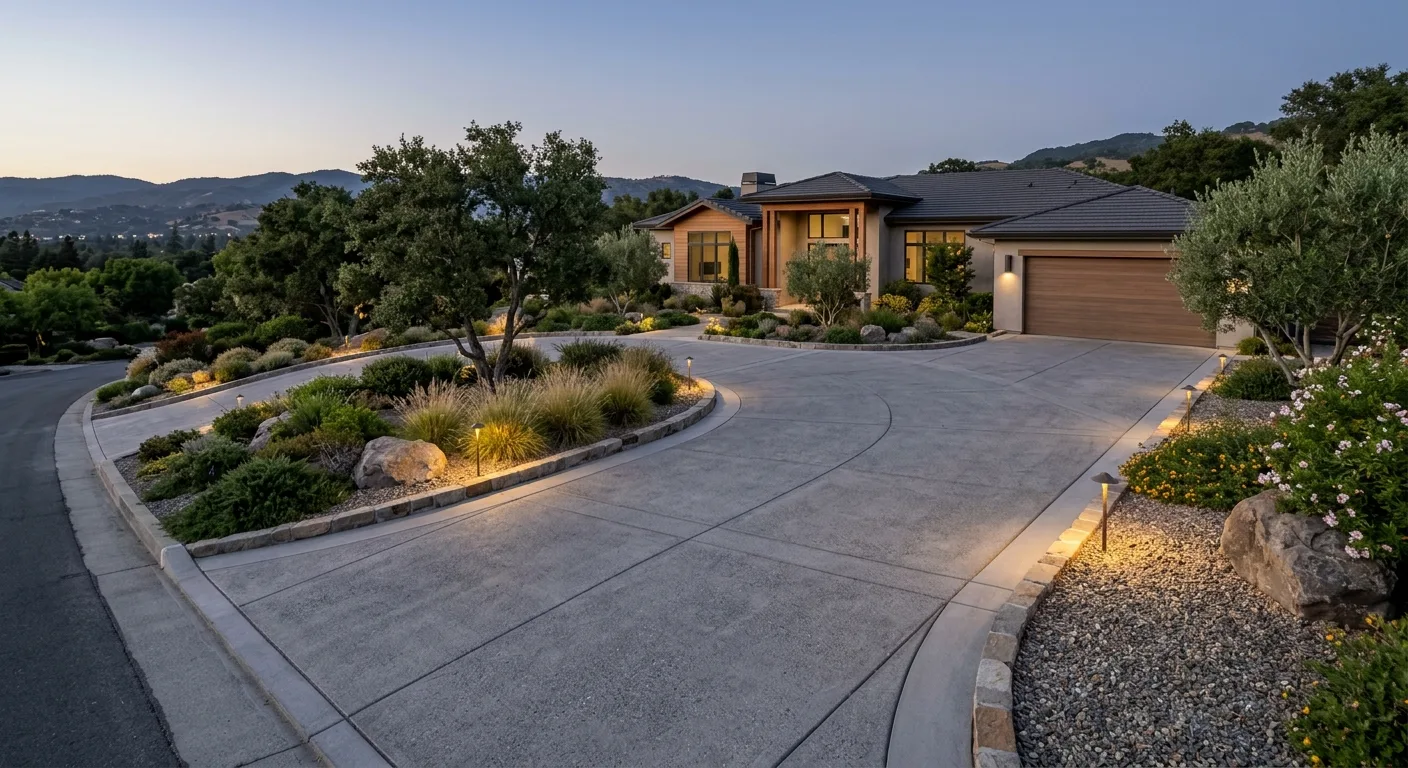
  1. What a driveway costs depends on square footage, the existing site conditions, the finish you choose, and how much grading or drainage work the soil requires. San Jose's clay-heavy soils in neighborhoods like Almaden Valley and Willow Glen shift seasonally, which means site preparation isn't optional. Cut corners there and you're calling a contractor again in five years. We set forms to control grade and drainage, place rebar or wire mesh based on load requirements, and specify the right concrete mix for the Bay Area's wet winters. Standard, broom-finished flatwork is one option. Stamped and sealed surfaces cost more but hold up well in high-visibility locations. Every job is different -- contact NDM Construction Inc for an accurate estimate.
What Goes Into a Concrete Driveway in San Jose

Site Preparation and Grading

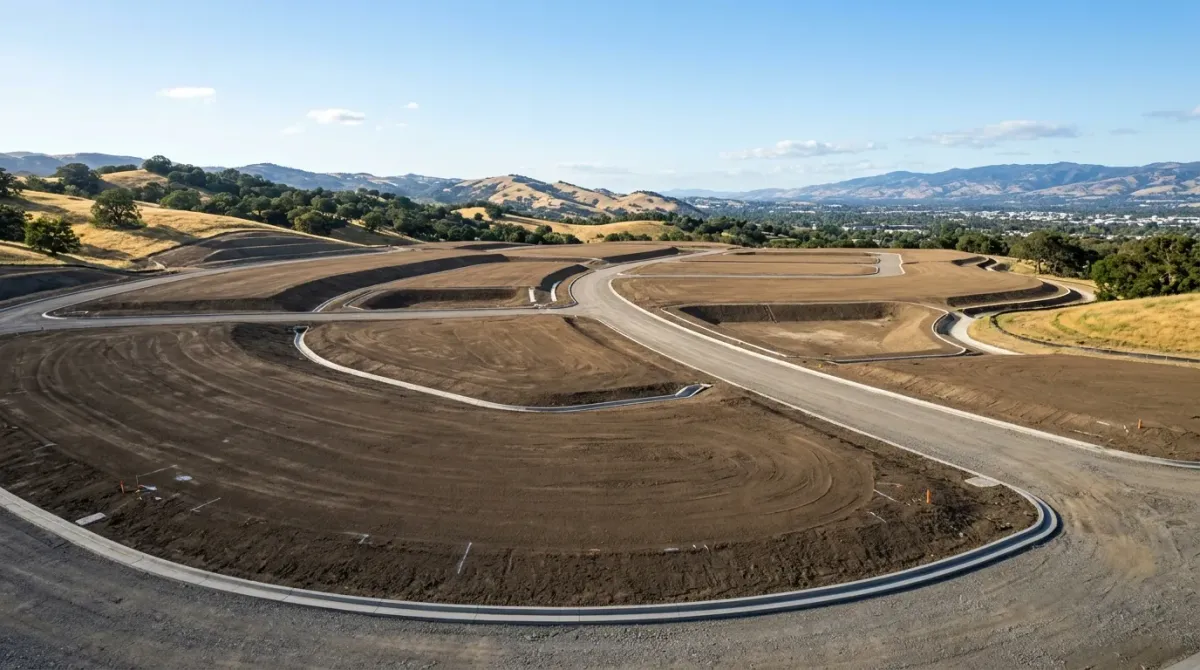
We excavate to the right depth for your soil type, compact the subbase, and establish grade so water drains away from the structure. In San Jose's clay-dense areas, this step takes longer than most contractors budget for.

Form Setting

Wooden forms define the slab perimeter and hold the pour in place. We set them to grade with a level, double-check against the property line, and account for expansion joints before any concrete is ordered.

Reinforcement

Rebar provides tensile strength for driveways that take vehicle load regularly. Wire mesh works for lighter-duty flatwork. We'll tell you which one your job actually needs, not which one is easier to install.

Concrete Mix and Pour

We specify 4,000 PSI minimum for residential driveways. The mix design matters in a climate like the Bay Area's, where winter moisture and temperature swings stress freshly placed concrete more than most homeowners realize.

Finishing and Curing

Broom finish for traction, exposed aggregate for texture, or stamped patterns for aesthetics. After finishing, we apply curing compound to slow moisture loss during the first week. Don't let anyone rush the cure.

Sealing

A penetrating concrete sealer applied after full cure protects against oil stains, surface abrasion, and moisture intrusion. We recommend sealing every driveway we pour, particularly those with stamped or decorative finishes.

site preparation and grading work, professional service in San Jose, CA

Local Conditions

Why San Jose Soil and Climate Change the Calculation

San Jose's soil profile runs clay-heavy in most residential neighborhoods. Clay expands when wet and contracts when dry, which creates seasonal movement under any flatwork. Driveways poured without adequate base preparation -- compacted gravel or crushed rock at the right depth -- crack along the expansion joints within a few winters. The Bay Area doesn't get the hard freeze-thaw cycles of colder climates, but winter rain followed by dry heat puts its own stress on concrete. We account for that in the mix design and in how we detail the edges and control joints. If the slope toward the street isn't right, water pools under the slab and accelerates any weak points. That's fixable at the forming stage. It's expensive to fix afterward. For properties near creek corridors or with existing drainage problems, we sometimes recommend pairing the driveway project with a concrete retaining wall installation to manage grade properly.

Permits

San Jose Permit Requirements for Concrete Driveways

Most residential driveway replacements in San Jose require a permit through the City's Development Services Department. Here's how the process typically runs.

  1. Step 01

    Application and Plan Check

    Submit a site plan showing driveway dimensions, setbacks from property lines, and drainage flow direction. For a straightforward replacement, plan check is usually over-the-counter or same-day digital review.

  2. Step 02

    Inspection During Pour

    An inspector typically needs to review the subbase and forms before the pour. Schedule this in advance -- a failed inspection after the truck arrives is an expensive delay.

  3. Step 03

    Final Approval

    After the slab cures and any required work is complete, the inspector signs off. We handle coordination with the city throughout so the job doesn't stall at the permit stage.

Concrete Finishes: Which One Makes Sense

  1. 01

    Broom Finish

    Standard and practical. A stiff broom dragged across the surface before cure creates texture for traction. Lowest cost, easiest to repair if a section ever needs patching.

  2. 02

    Exposed Aggregate

    The top layer of cement paste is washed away before cure to expose the stone aggregate. Durable, skid-resistant, and a step up visually from broom finish without the cost of stamped work.

  3. 03

    Stamped Concrete

    Pattern mats pressed into the surface before cure create the look of pavers, stone, or brick. Requires sealing to protect the surface color and pattern. Higher upfront cost, but it holds up well if the base work is done right.

  4. 04

    Sealed Plain Concrete

    A smooth or lightly textured surface with a penetrating sealer applied after cure. Clean look, easy to hose down, and the sealer keeps oil and stains from working into the slab.

Other Concrete Work We Handle

Concrete Patios

Backyard slab work, stamped or standard, with proper drainage away from the foundation. We pour concrete patios as a standalone project or tied into a driveway replacement.

Parking Lot Work

Commercial flatwork for small lots and access drives. For concrete parking lot installation on commercial properties, we handle permitting through Santa Clara County.

Foundation Work

If site prep reveals foundation concerns, we have the capability in-house. Our foundation concrete contractor work keeps the project from getting handed off mid-scope.

How We Run a Driveway Project

  1. 01

    Site Visit and Scope

    We come out, look at the existing conditions, check drainage, and give you a written scope. No guessing on square footage or grade issues.

  2. 02

    Permit and Scheduling

    We pull the permit, schedule the city inspection, and order concrete based on a confirmed pour date. You don't have to track any of it.

  3. 03

    Pour, Finish, and Cure

    We set forms, place reinforcement, pour, finish, and apply curing compound the same day. After the slab reaches full strength, we seal if specified and call the job done.

Get a Concrete Driveway Estimate in San Jose

NDM Construction Inc. Licensed California general contractor. 4.9 stars across 10 Google reviews.

Good to know

Frequently asked questions

Still have a question?

Call and talk it through. You'll get a straight answer from the person doing the work.

(408) 608-9319
How long does concrete take to cure in San Jose's climate?
Concrete reaches walking strength in about 24 to 48 hours under typical Bay Area conditions. Full structural strength takes 28 days. During that period, keep vehicles off the slab for at least seven days. San Jose's wet winters slow the process slightly, and hot dry summers accelerate surface drying too fast without curing compound. We apply curing compound on every pour to manage moisture loss regardless of season.
Do I need a permit for a concrete driveway replacement in San Jose?
Most residential driveway replacements require a permit through the City of San Jose's Development Services Department. New driveway aprons that connect to the street almost always require encroachment permits as well. The specifics depend on scope and location. We handle permit applications and city inspection scheduling as part of every project, so nothing stalls waiting on paperwork.
What causes concrete driveways to crack, and how do you prevent it during installation?
Cracking usually traces back to one of three things: inadequate subbase compaction, the wrong concrete mix strength, or control joints spaced too far apart. In San Jose's clay-heavy soil, seasonal expansion and contraction adds pressure that poorly prepared slabs can't absorb. We compact the subbase, specify 4,000 PSI minimum concrete, and cut control joints at intervals sized to the slab dimensions so cracking follows a planned path rather than running randomly across the surface.
What is the difference between a sealed and unsealed concrete driveway?
An unsealed slab is porous. Motor oil, fertilizer, and road salt work into the surface over time and are nearly impossible to remove. A penetrating sealer applied after full cure fills the pore structure without changing the surface texture. It won't make the driveway slippery and it doesn't need to be reapplied constantly. For stamped or decorative finishes, sealing is required to protect the color and pattern from fading.
Should I use rebar or wire mesh for a residential driveway?
For a driveway that regularly takes the weight of passenger vehicles, we use rebar. It provides continuous tensile reinforcement across the slab. Wire mesh is appropriate for lighter-duty flatwork like walkways or patios where load is minimal. The choice also depends on slab thickness. A four-inch slab with mesh performs differently than a five-inch slab with rebar at 18-inch centers. We'll specify the right option after seeing your site conditions.
How does Bay Area soil affect driveway longevity?
Clay soil in neighborhoods like Almaden Valley, Willow Glen, and Evergreen shifts with seasonal moisture changes. That movement transfers upward into any slab sitting on top of it. Driveways poured without adequate gravel base over compacted subgrade tend to develop differential settlement, where one section of the slab drops relative to another. Fixing that after the fact is expensive. The right base depth and compaction at installation is the only reliable answer.

Related

Next step

Tell us about the job

Your name, your number and what needs doing. A person from NDM Construction Inc gets back to you.

Rather talk now?(408) 608-9319

No obligation · Responds within 1 business day


By submitting this form you agree that we may contact you about your request and share your name and email address with partner companies for email marketing. We never share your mobile number or text message consent with third parties or affiliates for marketing or promotional purposes.